

Our brain acts as the control centre of the whole body. It controls our memory, our movements, our feelings, our communication and coordination with others, and many other processes which ensure our survival. However, people usually start caring about their neurological health only when their headaches get unbearable, they start forgetting things, or some unusual symptoms affect their ability to function properly on a day-to-day basis. Proper monitoring of one’s brain health allows noticing possible problems and taking the required medical measures in a timely fashion.
Some neurological issues can manifest themselves in less obvious ways, starting to affect sleep, attention, balance, sensation, or behaviour of a person. Knowing what to pay attention to and when it is necessary to contact a Neurologist becomes extremely important in order to preserve one’s neurological health in the future.
Your Brain May Show Subtle Signs Before a Problem Becomes Obvious
The nervous system controls various activities, which makes neurological issues have different presentations. Memory issues, unexplained dizziness, frequent headaches, weakness, numbness, and balancing issues could potentially point to a neurological issue.
However, not all headaches, moments of forgetfulness, or dizziness episodes are a sign of some severe brain issue. Symptoms should be analyzed considering how often they occur, for how long, their severity, patient’s medical history, and other symptoms.
Taking note of persistent or odd changes rather than ignoring them could help people get timely and proper diagnosis.
What Does a Neurological Checkup Actually Involve?
Brain testing does not involve one scan or test alone. Typically, it starts with a complete physical examination and neurological assessment of the brain and its function along with spinal cord and nerves.
Based on your symptoms and past medical history, the physician may perform an assessment for:
1. Cognitive functions – attention, memory, orientation, and thinking ability.
2. Muscular control – muscle strength, coordination, and movement.
3. Response to stimuli – sensory response to stimuli such as touch.
4. Reflexes – response to reflexes which help in assessing the nerve pathways.
5. Balance and walk – balance and walking pattern.
Based on the results obtained from the above assessments, further investigations like MRI, CT, EEG, nerve conduction studies, or selected blood tests may be recommended by your physician.
Who Should Consider a Brain Health Evaluation?
Neurological examination could be especially significant for individuals suffering from persistent signs or who have certain risk factors.
Those with a tendency to experience repeated headaches, inexplicable seizures, gradual deterioration in memory, tremors, tingling sensation, balance issues or previous strokes need regular medical attention.
Individuals with diabetes, high blood pressure or any other disorder that could potentially impact blood vessels might also need proper monitoring and preventive measures. Older patients with symptoms related to memory, ambulation and overall functionality should not overlook them, assuming that these are age-related issues.
Proper medical attention could assist in diagnosing the problem and deciding on what actions need to be taken.
Common Neurological Conditions That Benefit From Early Evaluation
A number of neurological disorders can impact the quality of an individual’s life and necessitate long-term treatment by physicians.
Stroke: A sudden blockage of blood flow to the brain results in such symptoms as weakness, drooping face, difficulty in speaking or seeing. Emergency treatment is necessary.
Epilepsy: Seizures manifest themselves through convulsions, staring spells, unusual sensations or changes in level of consciousness.
Migraine: Neurological headaches can be accompanied by severe headache, vomiting, light sensitivity, sometimes visual or sensory disturbances.
Parkinson’s Disease: Tremor, stiffness, slowness of movement, changes in gait or balance can be some of the symptoms of Parkinson’s disease.
Memory Loss: Persistent memory impairment, disorientation or problems with completing everyday tasks call for further diagnostic procedures.
Though recognizing early signs of these disorders does not necessarily mean preventing their occurrence, it helps people get proper treatment in time.
Everyday Choices That Support Brain Health
Neurological routine care is ideal along with good lifestyle practices. However, despite the fact that there is no single routine that would provide protection from all the possible neurological conditions, some factors help to ensure proper functioning of the brain and the vessels.
Be Active: Physical activity ensures normal blood circulation and heart activity.
Get Plenty of Sleep: Restorative sleep helps to ensure proper memory and concentration functions.
Feed on Healthy Food: It means a nutritious diet rich in vegetables, fruits, whole grain products and healthy fats.
Keep Your Brain Engaged: It involves reading, acquiring new knowledge, productive communication and other activities of this kind.
Treat Chronic Diseases: It includes following doctor’s recommendations about diabetes, blood pressure and cholesterol.
Do Not Smoke and Consume Alcohol Sparingly.
Such tips could be helpful regardless of age.
When Should You Seek Immediate Medical Attention?
There are certain neurological symptoms that may require emergency treatment instead of just booking an appointment with a neurologist. For example, sudden drooping of the face, weakness or numbness of the body on one side, trouble speaking, loss of vision suddenly, having a severe headache suddenly, or getting a new seizure should not be neglected.
The above symptoms might mean that there is a neurological emergency, such as a stroke. Get immediate medical help instead of waiting for your symptoms to get better.
The Importance of Professional Neurological Guidance
Taking care of your brain is as important as taking care of your heart and overall wellbeing. Getting professional help for any neurological problems or symptoms can prevent you from making mistakes in your diagnosis and disease treatment.
Dr. V. T. Haridas at Medha Neuro Clinic offers professional consultation and evaluation of diseases related to the brain, nerves, and nervous system. Being trained as a neurologist, with an interest in neuro-rehabilitation, he can perform clinical assessment for you.
Frequently Asked Questions (FAQs)
Ques-1. How frequently should I visit a neurologist for my brain checkup?
Ans- There is no fixed interval for a brain scan or neurological assessment in healthy and asymptomatic adults. The timing of assessment depends upon a number of factors including age, symptoms, medical history and personal risk factors. You should visit a physician if you have any unusual neurological symptoms.
Ques-2. Do all my headaches need brain MRI?
Ans- Not all headaches need MRI of the brain. Whether or not imaging studies are needed will be determined by the headache pattern, your neurological examination and medical history.
Ques-3. What are the early warning signs of neurological issues?
Ans- Warning signs of neurological issues may include frequent headaches, dizziness, changes in memory, tingling sensations, tremors, weakness, balance or coordination changes. Any sudden neurological problem needs immediate attention.
Our brain acts as the control centre of the whole body. It controls our memory, our movements, our feelings, our communication and coordination with others, and many other processes which ensure our survival. However, people usually start caring about their neurological health only when their headaches get unbearable, they start forgetting things, or some unusual symptoms affect their ability to…
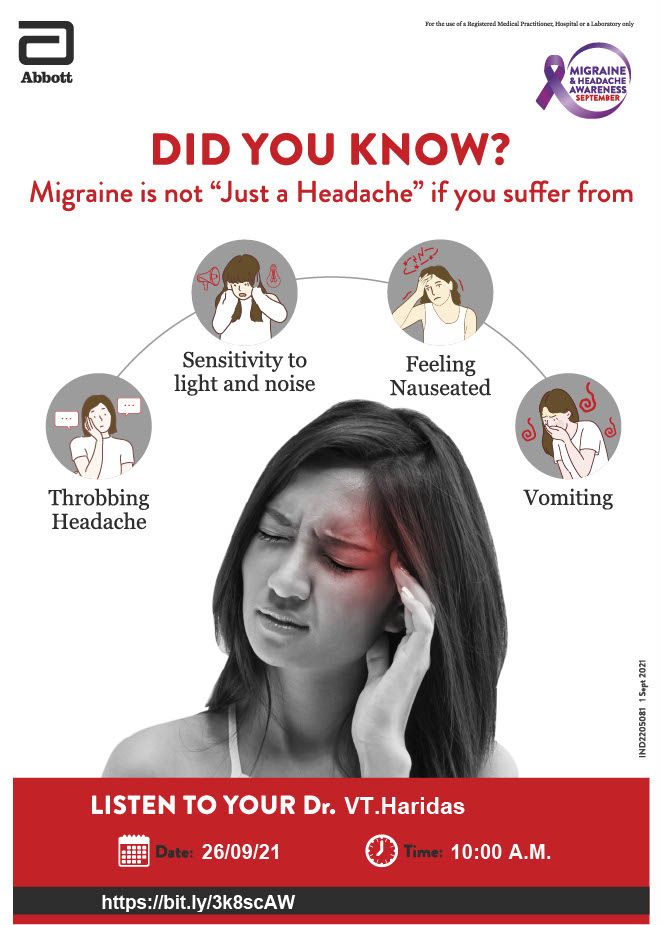
Medha Neuroclinic invites participants to join the session using below link through mobile or computers. Date: 26th Sep, Time: 10.00 am to 11.am. https://myabbottmeetings.webex.com/myabbottmeetings/j.php?MTID=ma3cec1e66c79b486afce63b28e7903f8
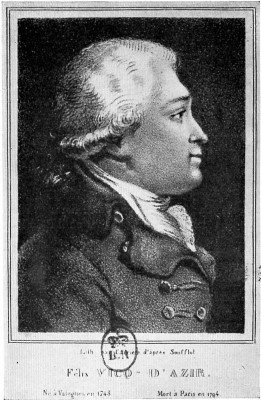
Through the open window , looking towards the center of the city of Paris ,Felix Vicq d’Azyr could easily appreciate the reddish hue of the festive fire lighting up the evening sky . The festival of the supreme being was reaching the peak of frenzy. He felt a worsening of his breathlessness. Thousands of sandbags were on his chest.The white…
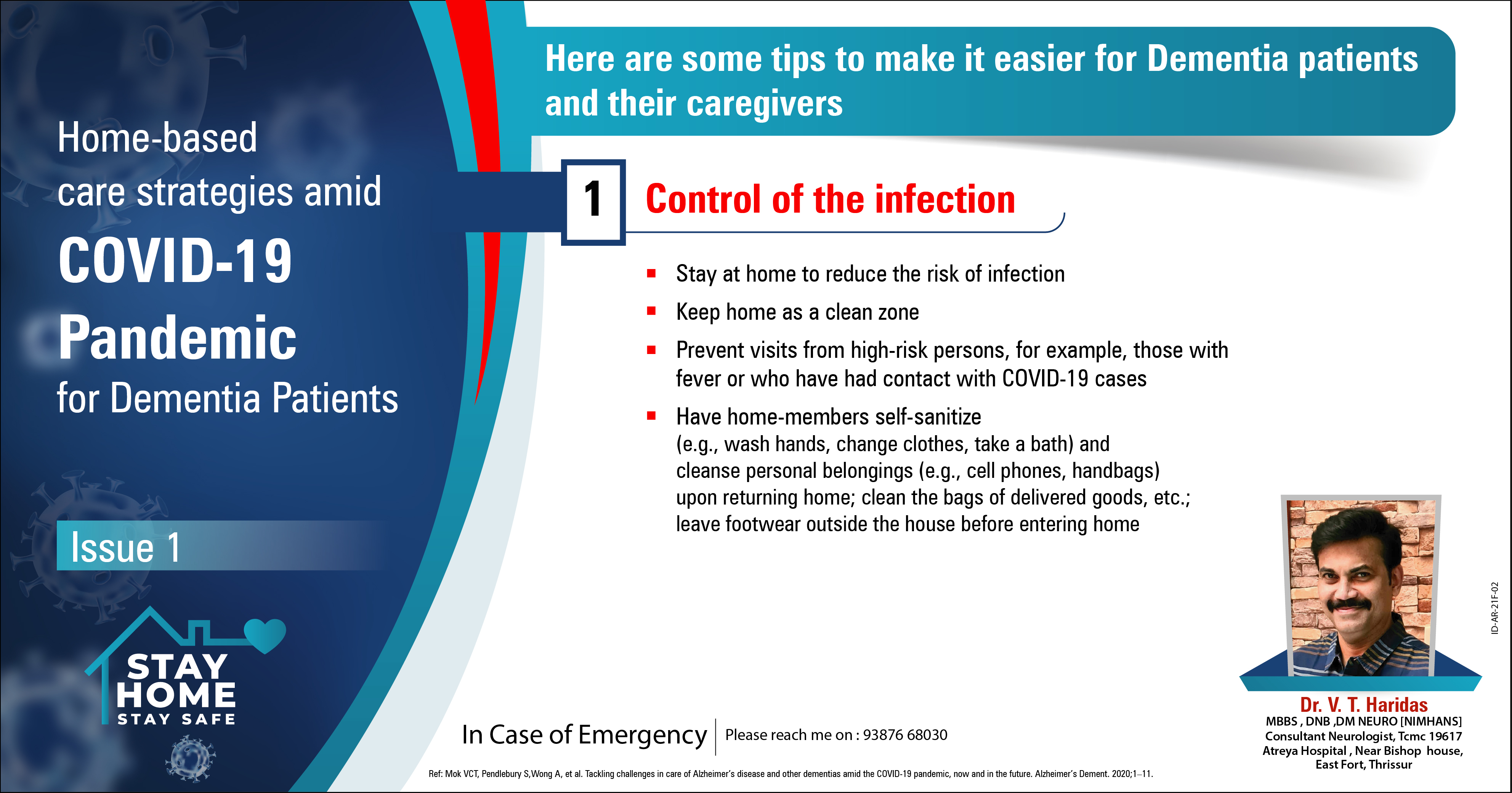
Here are some tips to make it easier for Dementia patients and their caregivers 1 .Control of the infection Stay at home to reduce the risk of infection Keep home as a clean zone Prevent visits from high-risk persons, for example, those with fever or who have had contact with COVID-19 cases Have home-members self-sanitize (e.g., wash hands, change clothes,…

My email and WhatsApp inbox had a tough day on July 1. It was more like a Mumbai Suburban train on Saturday evening --all colors, shapes, language, faces and slogans And everyone proclaimed the greatness of my profession, untiring services rendered, and the sacrifices made by my companions. This year Doctor's day saw an unprecedented rise in the number of…

Her request sounded very genuine and the tone was sincere even though It left me perplexed and surprised .This was the third visit of the 65 year old lady with troublesome positional vertigo. Fortunately , I could cure her with two repositioning maneuvers .I suggested her to stop all medicines and declared she no longer needs any visit to my…
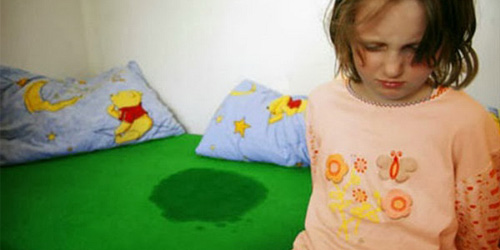
Urinary bladder has a complex innervations with somatic and sympathetic systems and carries out dual functions of storage and emptying of urine. At least 25% of the clinical problems seen in pediatric urology are the result of neurologic lesions that affect the lower urinary tract function. Our increasing understanding of the neurophysiology of bladder coupled with advances in urodynamic techniques…
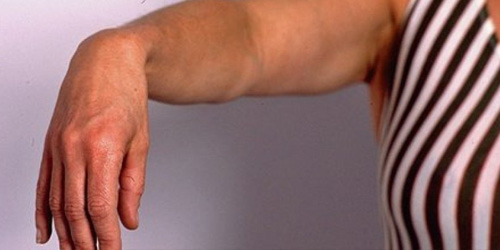
A stroke is a condition in which the brain cells suddenly die because of a lack of oxygen. This can be caused by an obstruction in the blood flow, or the rupture of an artery that feeds the brain. The patient may suddenly lose the ability to speak, there may be memory problems, or one side of the body can…
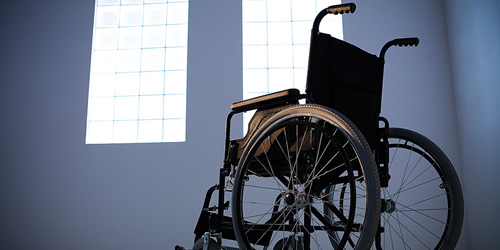
Multiple sclerosis affects the brain and spinal cord. Early symptoms of multiple sclerosis include weakness, tingling, numbness, and blurred vision. Other possible warning signs are muscle stiffness, thinking problems, and urinary problems. A multiple sclerosis diagnosis is made by the history of symptoms and a neurological exam, often with the help of tests such as an MRI or a spinal…

Dr V.T.Haridas is a Senior Consultant Neurophysician at Elite Mission Hospital, Thrissur, Kerala. He received his medical degree from the Thrissur Medical College and had his two years Post Graduate Training in General Medicine at the Kottayam Medical College. He completed his DM Neurology training at NIMHANS, Bangalore, Dr.Haridas has also received DNB degrees in General medicine as well as DNB neurology. He was a rank holder during his Graduation and his area of interest is Neuro-rehabilitation.
view more


